Are you ready to elevate your vaping experience with E-Liquids UK? We are the leading online vape shop in the UK. Since 2015, we’ve been at the forefront, offering the latest vape kits, e-liquids, and vaping accessories. With an extensive range of over 3000 flavours, our vast experience is reflected in our product offerings and positive customer reviews. You can trust us for fast UK delivery straight to your door. Choose E-Liquids UK for the best quality, extensive variety, and a seamless online shopping experience. Your satisfaction is our priority – join thousands of satisfied customers and discover why we’re hands down the best vape store in the UK.
E-Liquids UK
Online Vape Shop
3000 VAPE LIQUIDS WITH NEXT DAY DELIVERY
Brand New Products - You Can Rely on Us To Keep It Fresh!


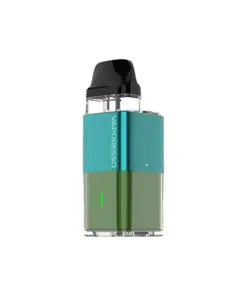
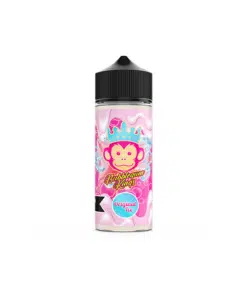
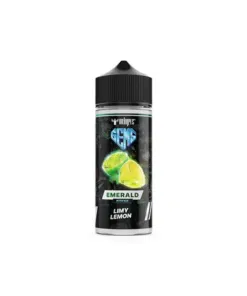
Explore our collection of vapes and e-liquids designed to cater to everyone’s preferences. Whether you’re a fan of the smooth experience provided by popular nicotine salts, enjoy the hands-on approach of DIY mixing, or prefer nicotine-free short fills with the flexibility to add your nic shots, we’ve got options for you. Our goal has always been to offer a diverse selection so we meet our customers various tastes, needs and budget. By ensuring that every vaper can find their perfect setup We’re helping thousands of you to quit smoking. Contact our friendly customer support team with any questions you have.
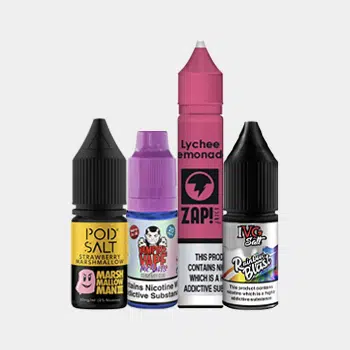
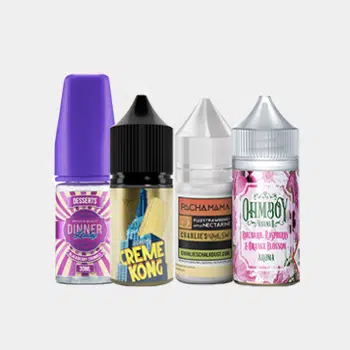
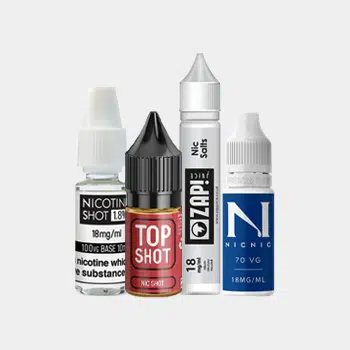
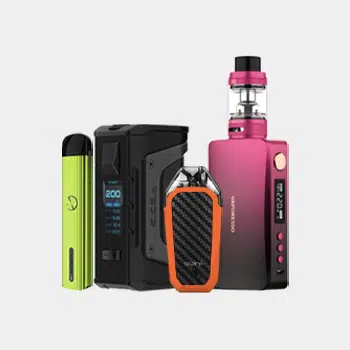
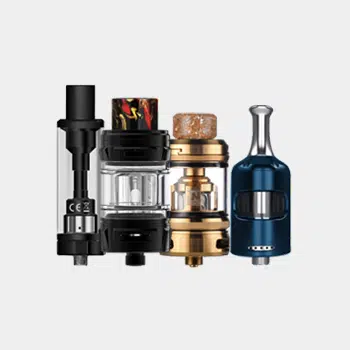
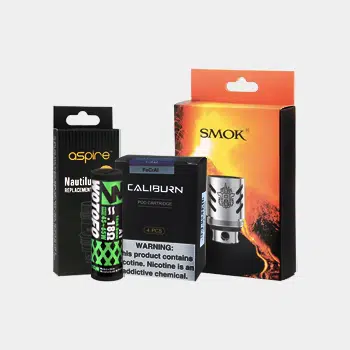
Looking For A New Vape Or Just Need New Coils?
Navigating our website is a breeze – we’ve meticulously designed it to be intuitive and user-friendly, ensuring you can effortlessly find what you’re looking for. With a clear and simple layout, our site is thoughtfully organized to enhance your shopping experience. Whether you’re in search of specific eLiquid flavours, premium vape kits, or just want to top up on disposables, We’ve streamlined the process to make your exploration seamless. Enjoy a hassle-free journey on our platform, where clarity meets convenience. Shop with confidence, knowing that discovering your favourite vaping essentials is just a few clicks away. Why not install the E-Liquids UK vape app?

We’re Not Your Average UK Vape Super Store
E-Liquids UK has established strong ties with global suppliers and vape brands throughout the years we’ve been trading. This gives us the edge over other vape stores and allows us to offer a truly unique product selection you won’t find anywhere else. By offering such a diverse range of products we attract customers from around the world who shop with us weekly. We’ve worked hard to secure some of the best ways to pay for your vapes and CBD while ensuring a cost effective and efficient worldwide delivery service.

Only 100% Authentic Products
All of the products we stock are from reputable and established vape brands that are known for their quality e-liquids. We only stock e-liquids and vape kits that meet our personal satisfaction; you can combine our seal of approval with the rest of our customer’s genuine reviews and feel more confident when shopping on our e-liquids website.

Free Next Day UK Shipping
Orders are dispatched using Royal Mail or one of our chosen couriers. UK orders over £40 qualify for free next-day delivery. Our order cut-off time for same-day dispatch is 4:00 PM Monday to Friday and for that reason, all weekend orders will be shipped on Monday. Special delivery services are guaranteed for the next day and Saturdays when chosen at checkout.

Customer Loyalty Programs
We reward our customers for shopping with us. Furthermore, you can earn 4% back in reward points every time you spend. You will also earn rewards for simply referring us to friends, reviewing products and potentially winning exciting vape giveaways. Earn points while you buy E-liquids.
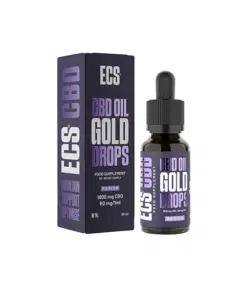
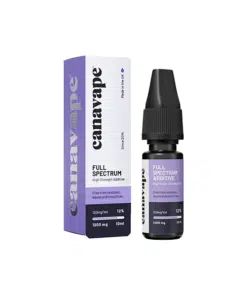
The largest range of Premium CBD Products Including CBD Oil & Disposable CBD Vapes
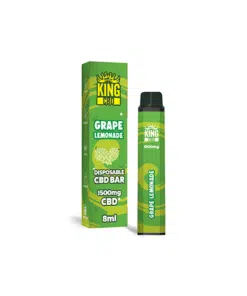
E-Liquids UK proudly stands as the premier destination for connoisseurs seeking the finest CBD products sourced from around the globe. Our curated selection showcases top-tier CBD offerings, meticulously chosen for their premium quality and exceptional purity. As a trusted authority in the industry, we prioritise providing our customers with a diverse range of vaping liquids infused with high-grade CBD extracts. From renowned international brands to artisanal producers, our inventory reflects a commitment to excellence.


Read The Latest Vaping News & Helpful Guides


Vaping News Industry Research Politics & Campaigns
Will The UK Tax Vaping In Its 2024 Budget?
Read More
29
Feb
Feb

We Stock The Most Popular Vape Brands & Ship Worldwide